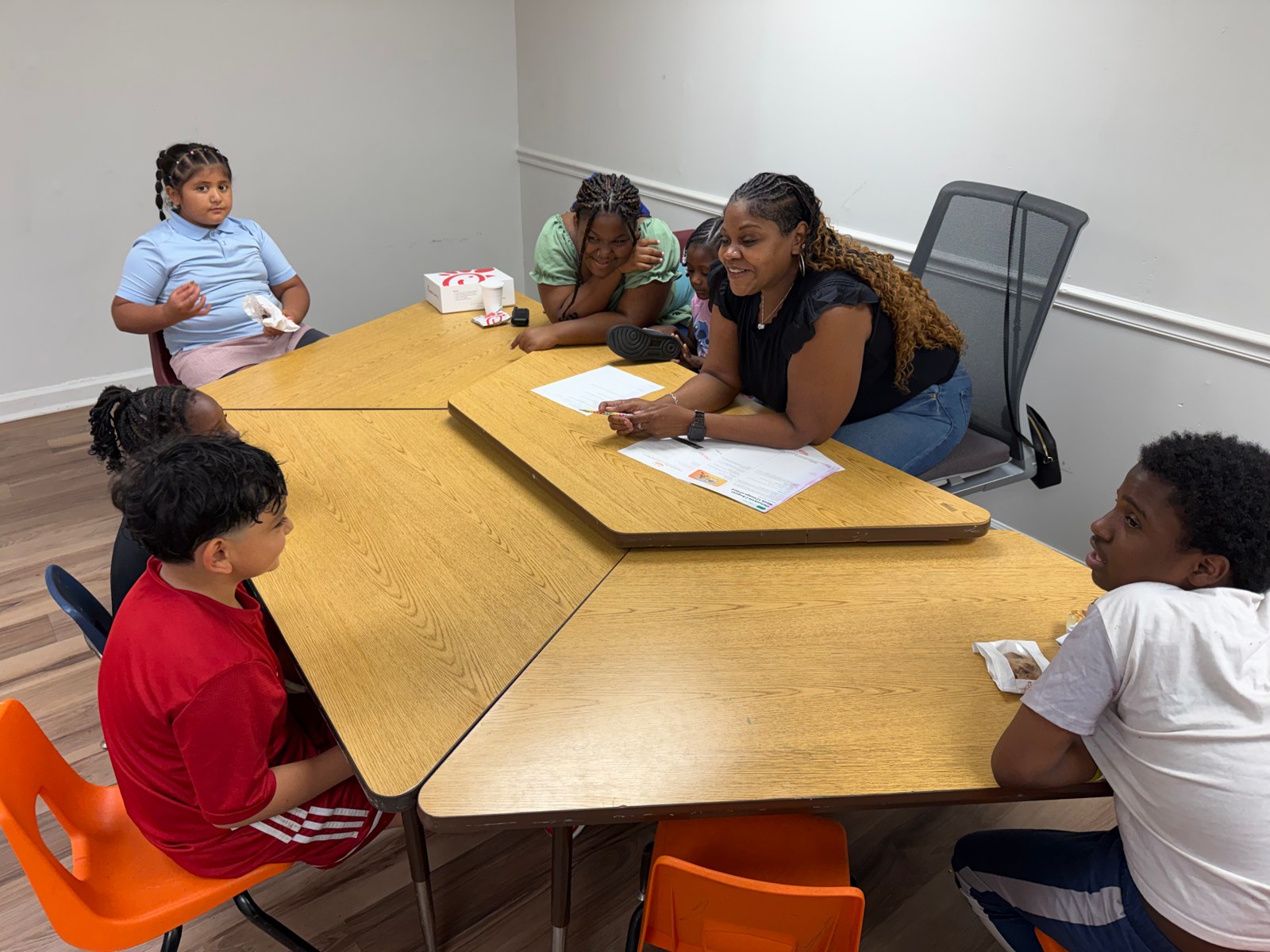
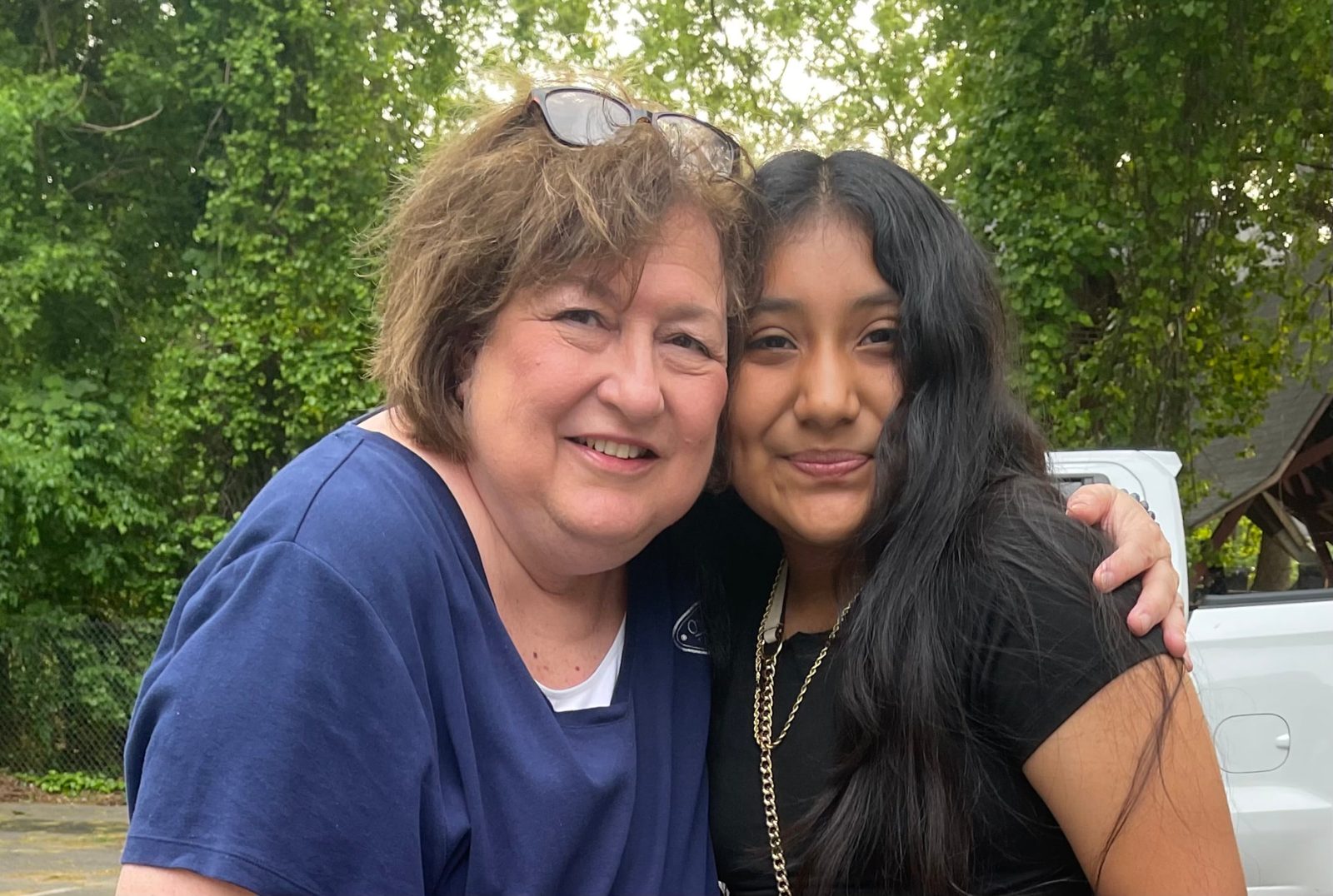
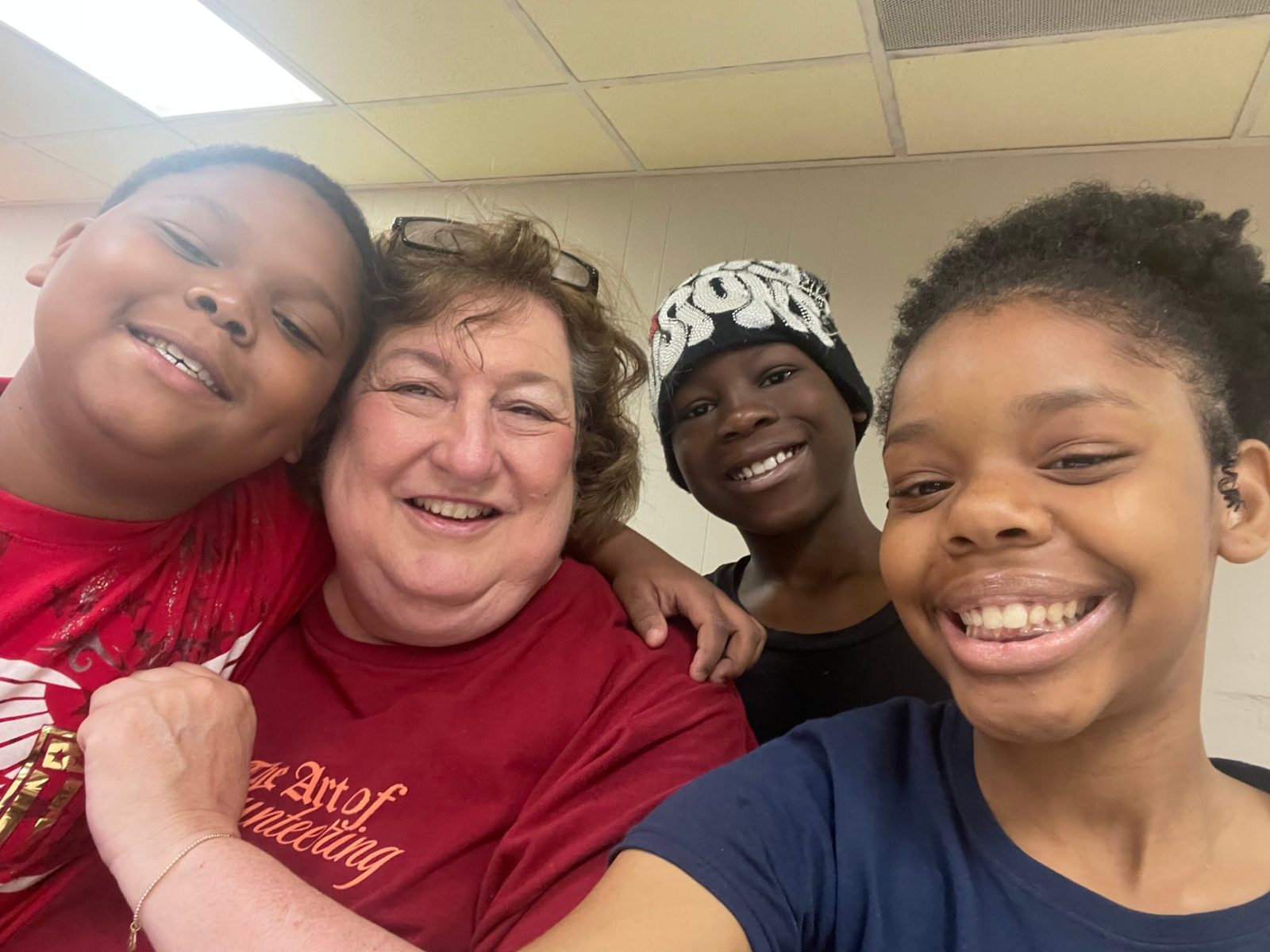
Every week at AIM, we see the same thing. A child walks in the door for the first time, quiet and unsure. A few weeks later, that same child is running in to tell a leader about a spelling test, a new pair of shoes, or something hard that happened at home. Nothing magic happened in between. Someone learned their name, showed up again and again, and made it clear they were glad to see them.
That's the heart of what we do. Since the beginning, we've learned that programs matter, curriculum matters, and good food and safe space matter. But the thing that changes a young person's story most is a relationship with a caring adult who sticks around.
What the research says
This isn't only a hunch from years in the neighborhood. Researchers who study child development have reached the same conclusion.
Harvard's Center on the Developing Child reports that the single most common finding among children who do well despite serious hardship is that they had at least one stable, committed relationship with a supportive parent, caregiver, or other adult. Those relationships act like a buffer. They help protect kids from the effects of adversity and help them build key skills, like the ability to plan, manage their own behavior, and adapt when circumstances change.[1]
Search Institute, which has studied youth development for decades, describes what it calls "developmental relationships." These are close connections through which young people discover who they are, gain the ability to shape their own lives, and learn how to engage with and contribute to the world around them. Its researchers identified five elements of these relationships, expressed through 20 specific actions: express care, challenge growth, provide support, share power, and expand possibilities.[2]
In plain terms, kids need adults who show them they matter, push them to keep improving, help them when they get stuck, respect their voice, and connect them to people and places they didn't know were there.
What it looks like at AIM
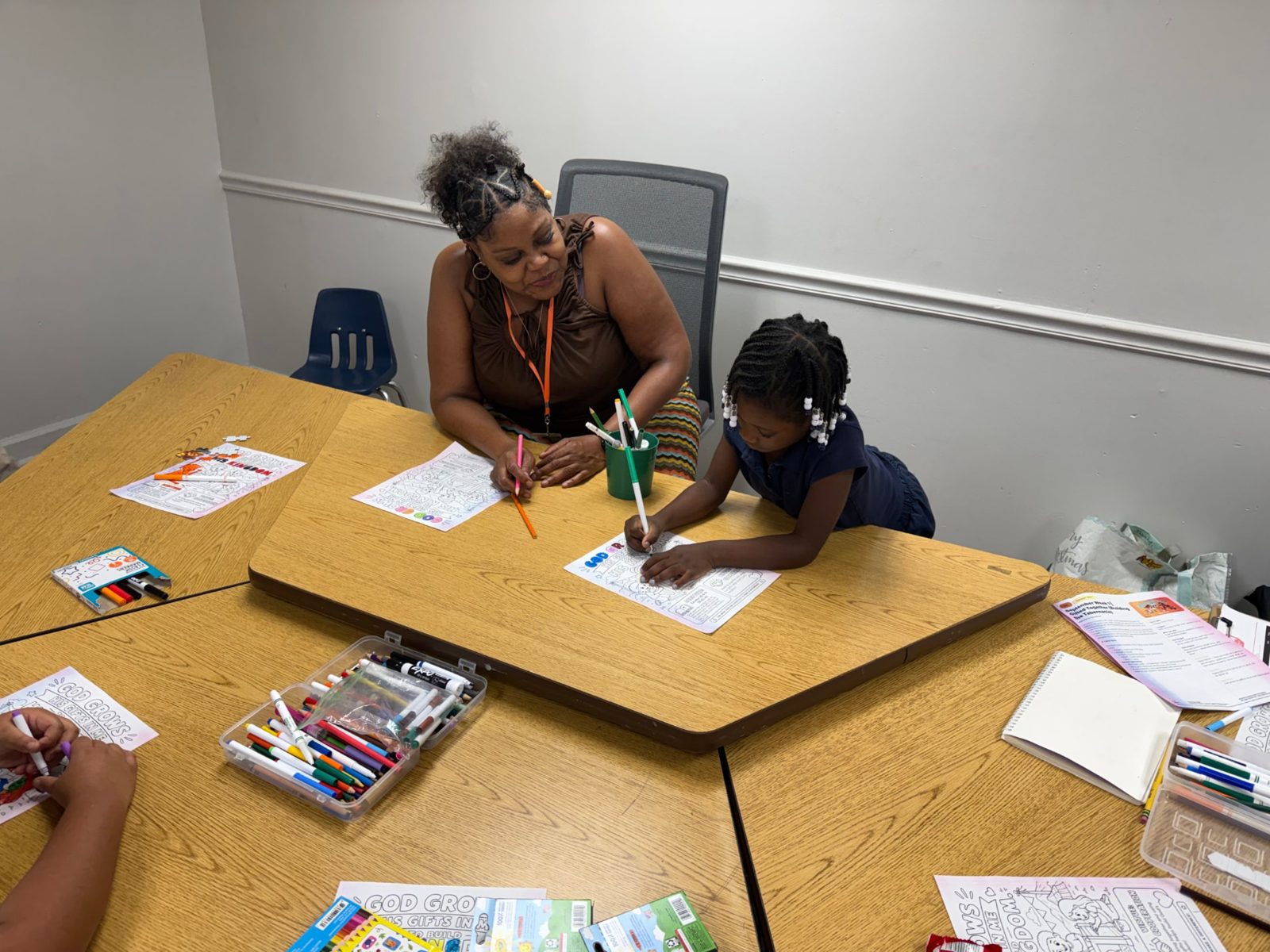
We build our programs around relationships first.
In ThriveKids, our Tuesday evening program for kindergarten through 5th grade, the same group leaders show up week after week and the same volunteers show up month after month. Kids know who will greet them at the door and who will notice if they're missing. Our team makes it a priority to notice when kids are missing, and ask them about it the next week.
At LIFT, our weekly program for middle and high school students, the real growth happens in the conversations with leaders who check in, ask good questions, and celebrate each step forward. The curriculum is important, the food is special, but the relationships are what makes the program work.
In LevelUp, tutoring is about more than homework. When a student gets help from someone who believes they can learn, they start to believe it too.
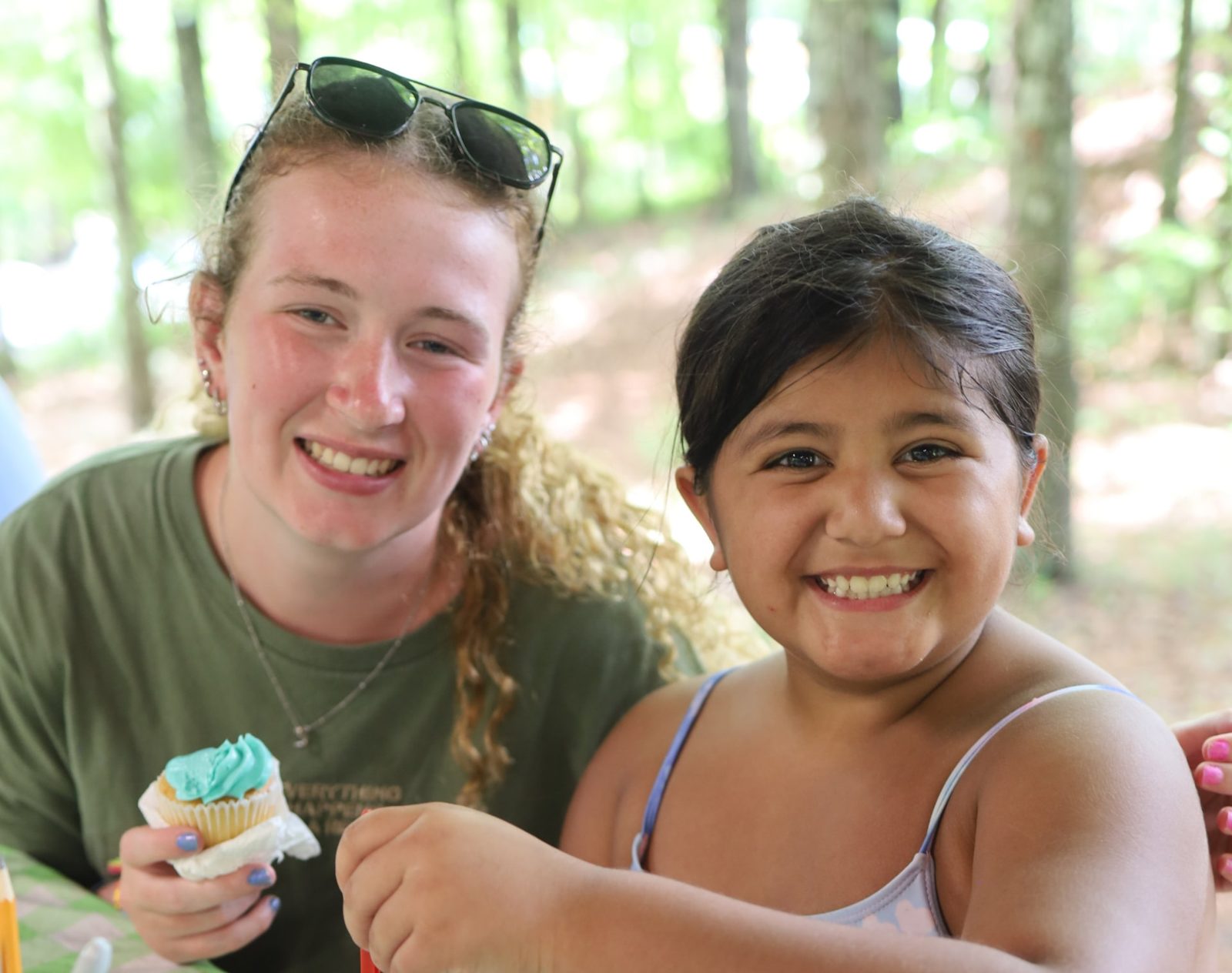
At AIMCamp, a week away together builds trust that carries into the rest of the year.
And through FamilyConnect, we walk alongside parents and caregivers, because the most important relationships in a child's life are at home. Our job is to support those, not replace them.
Why this matters to us as a ministry
As a faith-based ministry, we believe every child is made in God's image and worthy of being known and loved. The Apostle Paul wrote to the church at Thessalonica that he and his companions were delighted to share not only the gospel of God but their lives as well.[3] That's our model. We don't want to serve kids from a distance. We want to share life with them.
Relationships take time. They can't be rushed or scaled the way a lot of things can. That's exactly why they work. When a young person knows that someone is in their corner for the long haul, they start to believe that their future is worth investing in.
How you can be part of it
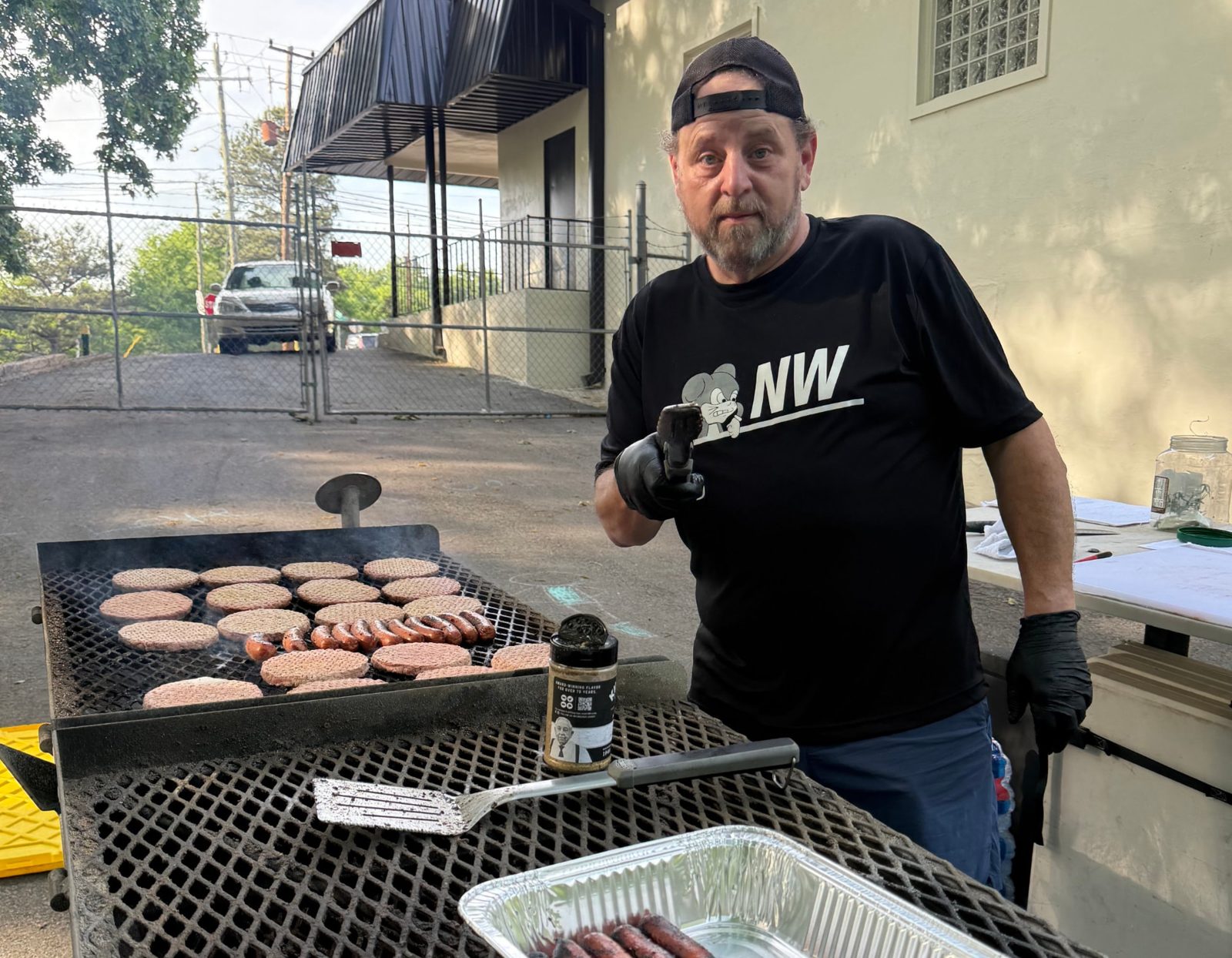
Every relationship at AIM starts with an adult who decided to show up. There are a few ways you can help:
Volunteer. Our programs run on consistent, caring adults. If you can commit to a regular night, you can make a real difference in a child's life. Sign up at aimatlanta.org/volunteer
Give. Your support keeps our doors open, our leaders trained, and our programs free for the families we serve. Give at aimatlanta.org/give
Pray. Pray for our kids, our families, and our staff as we do this work together. Join the Prayer Team at aimatlanta.org/prayer
One stable, caring adult can change the course of a child's life. We'd love for you to be one of them.
Sources
- [1] National Scientific Council on the Developing Child (2015). Supportive Relationships and Active Skill-Building Strengthen the Foundations of Resilience: Working Paper 13. Center on the Developing Child at Harvard University. Link: https://developingchild.harvard.edu/wp-content/uploads/2024/10/The-Science-of-Resilience2.pdf
- [2] Search Institute. The Developmental Relationships Framework. Link: https://searchinstitute.org/developmental-relationships
- [3] 1 Thessalonians 2:8 (NIV). Link: https://www.biblegateway.com/passage/?search=1+Thessalonians+2%3A8&version=NIV